Exploring the Slovenia is like stepping into a living history book, where every town, castle, and landscape tells a story spanning thousands of years. From its earliest days as part of the Roman Empire, Slovenia has been a crossroads of cultures, blending Central European, Mediterranean, and Balkan influences. This rich tapestry is visible in the architecture of its towns, the layout of its streets, and the traditions that have endured over centuries.
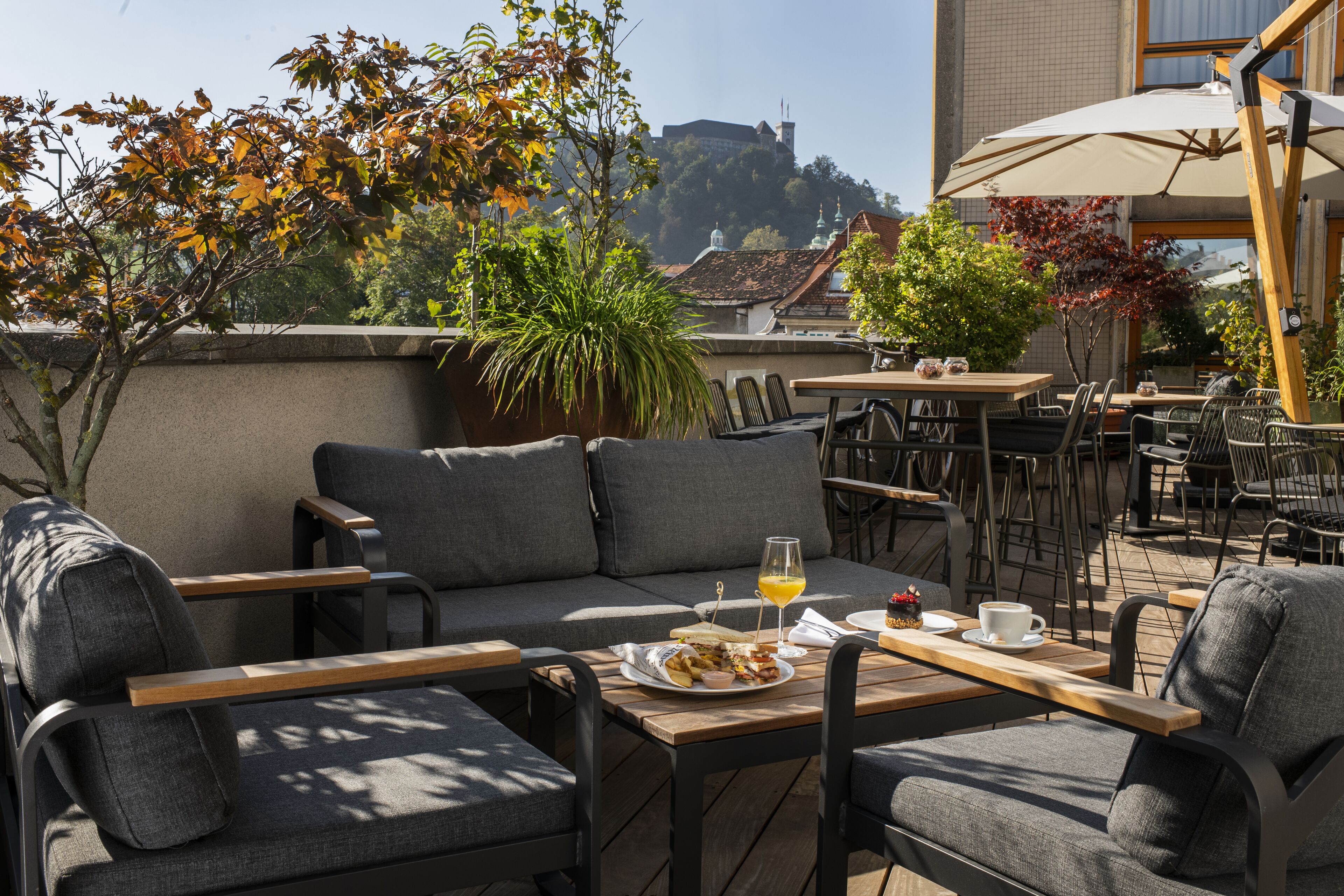
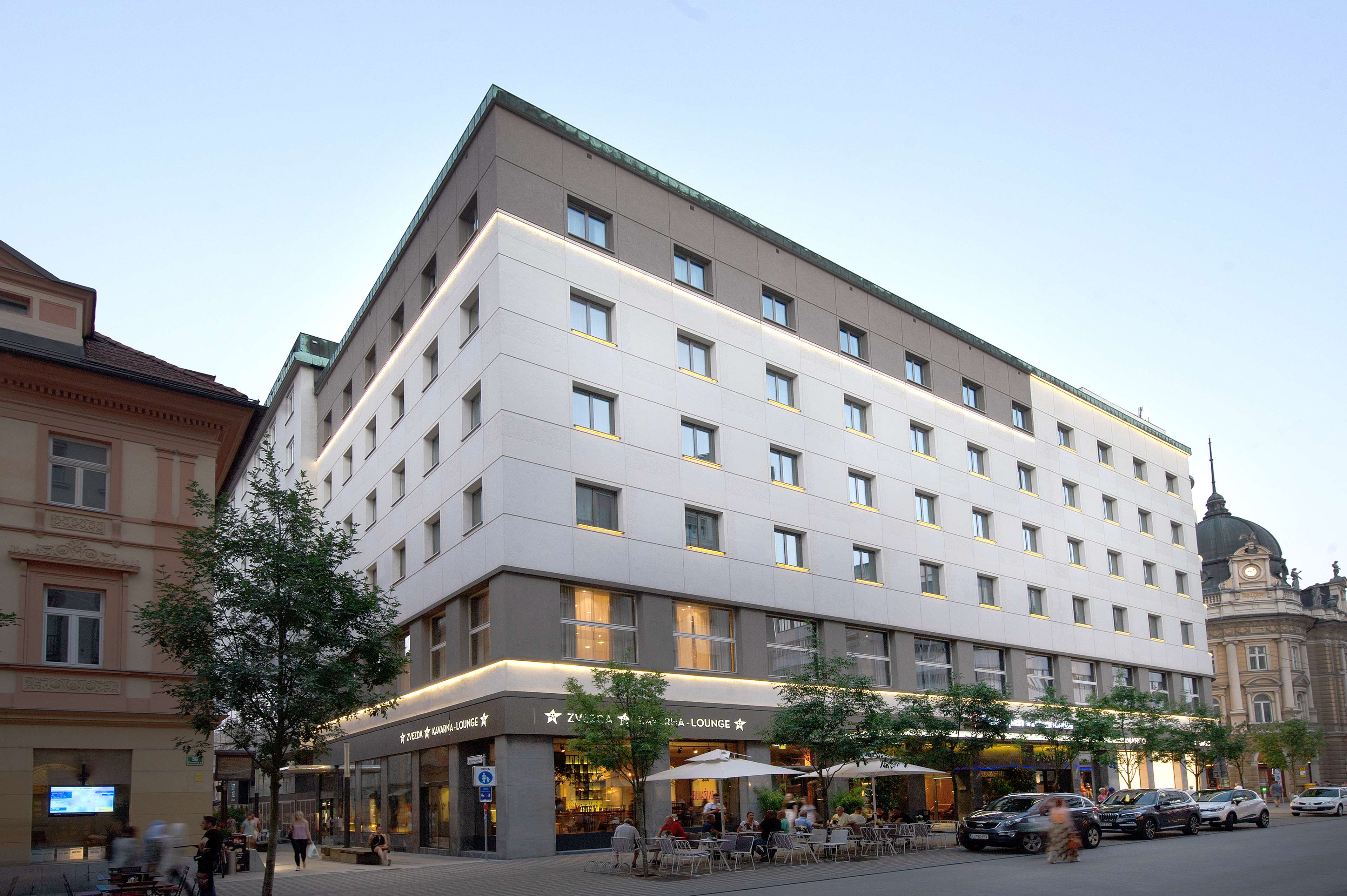
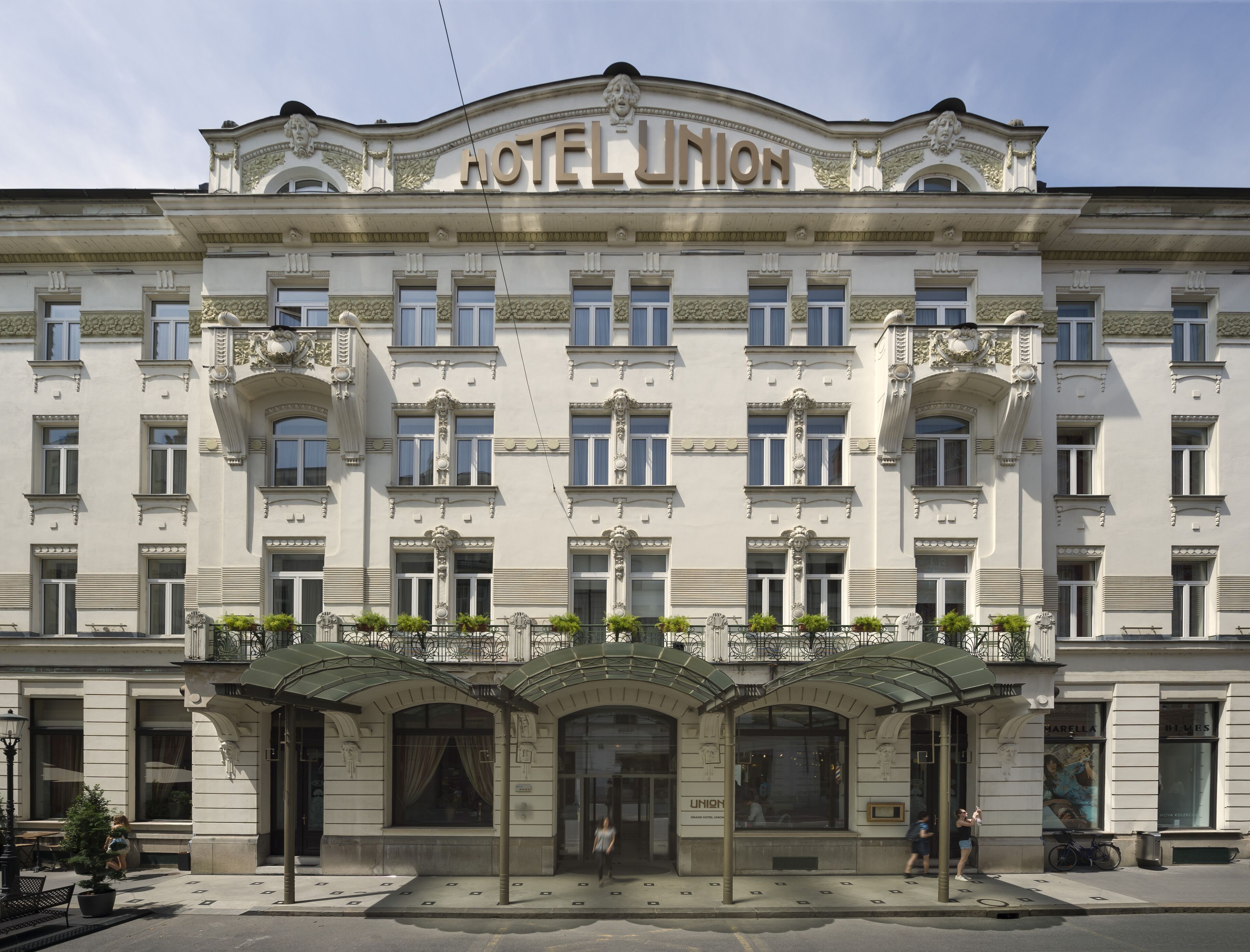
In the capital, Ljubljana, visitors can wander through the medieval old town, cross the iconic bridges over the Ljubljanica River, and climb to Ljubljana Castle, which has guarded the city since the Middle Ages. The city’s architecture reflects layers of history, from Roman foundations to Baroque and modernist influences, offering a tangible sense of how Slovenia’s past has shaped its present.
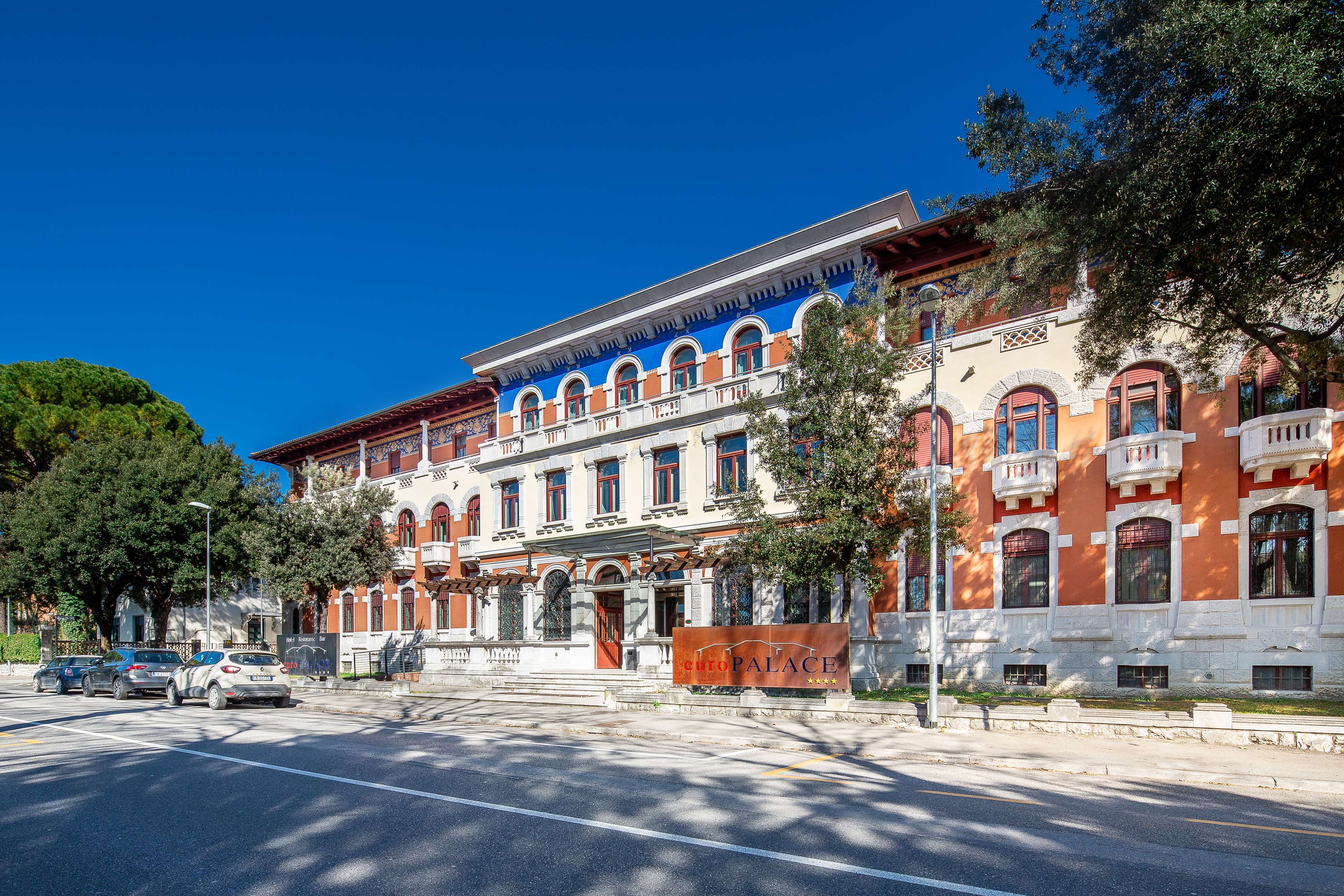
Traveling beyond the capital, the regions of Slovenia reveal even more historical depth. In the Goriška and the Slovenian Littoral, Venetian-style architecture hints at centuries of trade and maritime influence. Meanwhile, the castles and manors of Styria tell stories of medieval nobility, battles, and political shifts that shaped the nation.
Slovenia’s natural landmarks are equally historical. The famous caves of Postojna Cave and the UNESCO-listed Škocjan Caves have been explored for centuries, revealing the country’s geological history and its role in early human settlement.
From ancient Roman roads to medieval fortresses and modern cities, traveling through Slovenia is a journey through time. Every corner of this small but diverse country offers a connection to the past, making it a captivating destination for history enthusiasts.