Exploring Morocco is a journey of flavors, aromas, and colors, as Moroccan cuisine reflects centuries of Berber, Arab, Mediterranean, and African influences. Every meal is a vibrant experience that tells the story of the country’s culture and geography.
In cities like Marrakech and Fez, travelers can wander through bustling souks filled with spices, fresh produce, and street food. Classic dishes include tagine, a slow-cooked stew made with meat, vegetables, and fragrant spices like saffron and cinnamon, and couscous, often served with vegetables and lamb or chicken on special occasions. Street vendors also offer briouats (savory pastries filled with meat or cheese) and harira, a traditional soup made with lentils, chickpeas, and tomatoes, commonly eaten during Ramadan.
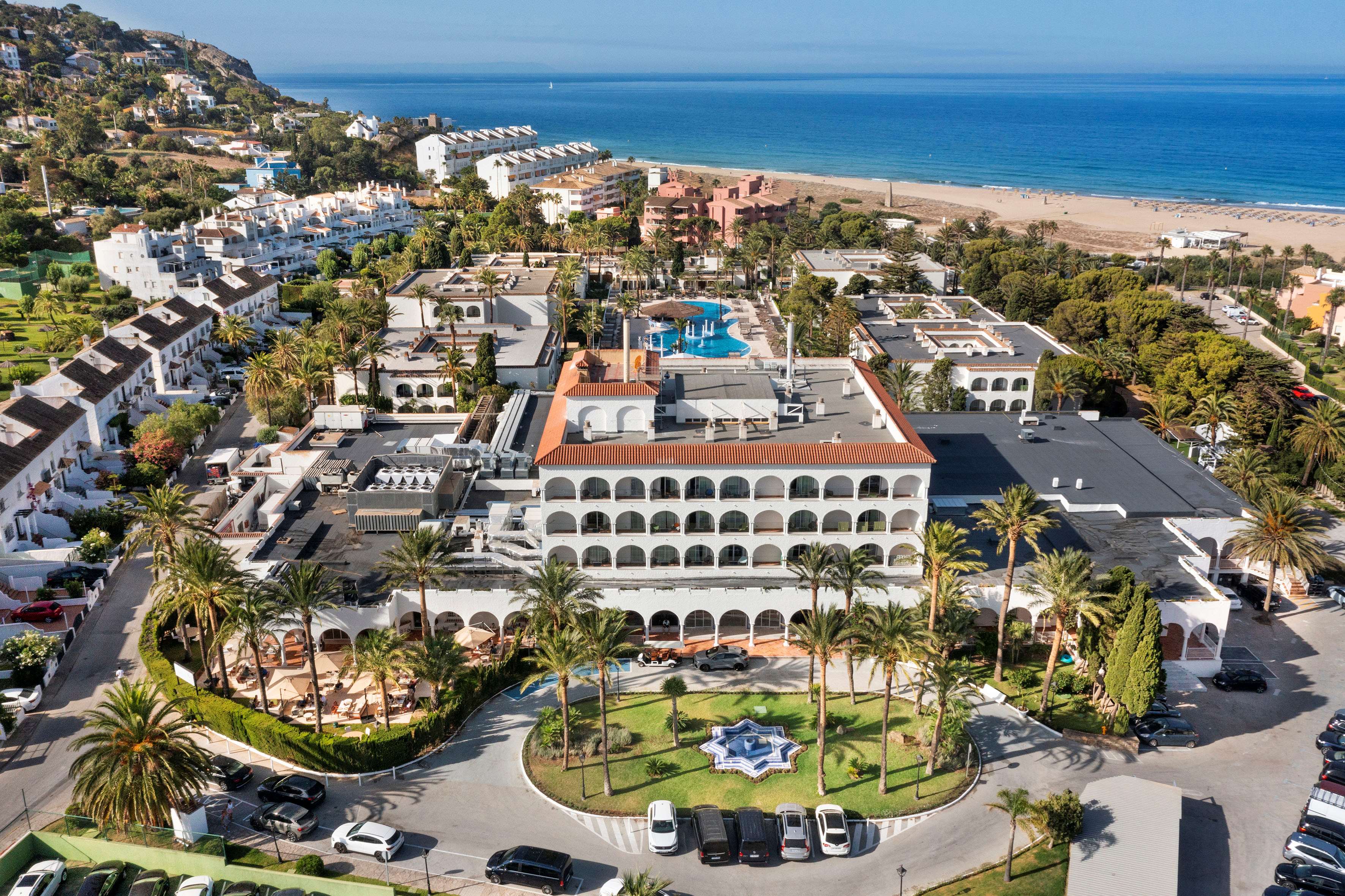
The coastal regions bring a different flavor profile, with fresh seafood cooked with garlic, olive oil, and preserved lemons. Cities along the Atlantic, like Essaouira, are famous for grilled sardines and seafood tajines. Moroccan mint tea, sweetened and poured from height into small glasses, is a staple across the country, offering both refreshment and a cultural ritual in every home and café.
Desserts and pastries are also a highlight. Almond-based sweets, honey-soaked treats, and chebakia (sesame cookies fried and coated in syrup) are common, especially during festivals and celebrations. Morocco’s markets are a feast for the senses, where every bite offers a taste of the country’s rich history, regional diversity, and culinary artistry.
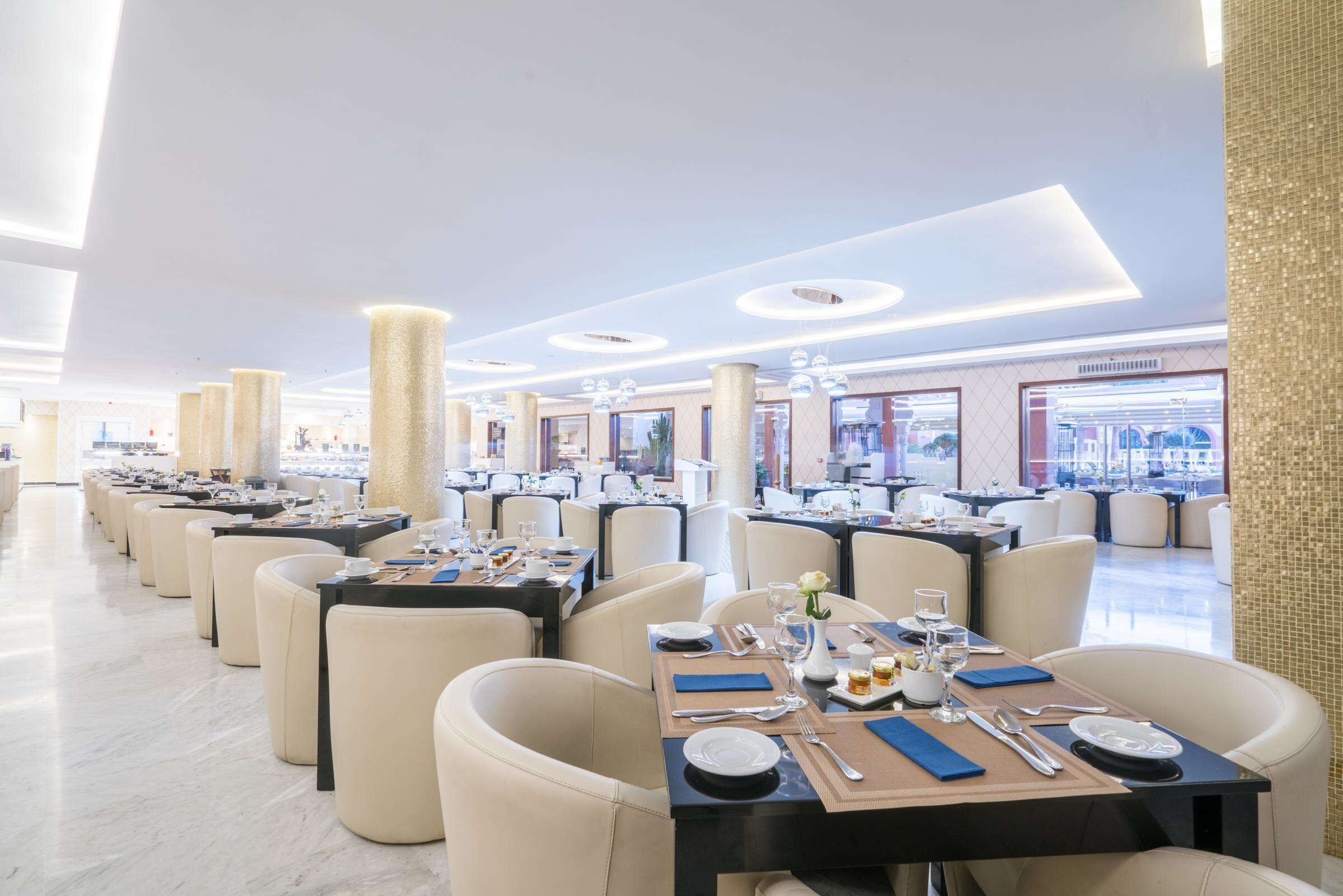
Whether dining in a riad, enjoying street food in a medina, or tasting fresh seafood by the coast, Moroccan cuisine provides a delicious and unforgettable way to experience the country.