Phone Number 7919387430
Quetzaltenango
Quetzaltenango — affectionately known as Xela — is the cultural heartbeat of Guatemala’s western highlands, a city where volcanic landscapes, Mayan heritage, and European‑influenced architecture blend into something unmistakably its own. At 2,300 meters above sea level, the air is crisp, the mornings golden, and the energy quietly vibrant. Travelers come to Xela for its authenticity. This is a city that lives at its own rhythm: bustling markets filled with fresh produce and hand‑woven textiles, neoclassical buildings surrounding the iconic Parque Central, and cafés where students, artists, and locals gather over rich Guatemalan coffee. Just beyond the city, nature takes over. Hike the legendary Santa María Volcano, soak in the natural hot springs of Fuentes Georginas, or explore nearby Mayan towns like Zunil and Almolonga, where traditional dress and ancient customs remain part of daily life. Xela is also one of Central America’s top destinations for Spanish immersion, offering high‑quality language schools in a welcoming, community‑oriented environment. Whether you’re seeking culture, adventure, or a deeper connection to Guatemala’s indigenous roots, Quetzaltenango offers a travel experience that feels both grounded and inspiring — a place where every corner tells a story and every sunrise over the mountains feels like a quiet discovery.
Best Months to Travel to Quetzaltenango
April, May, June, August

Find the best flight to Quetzaltenango

Leaving from

Going to

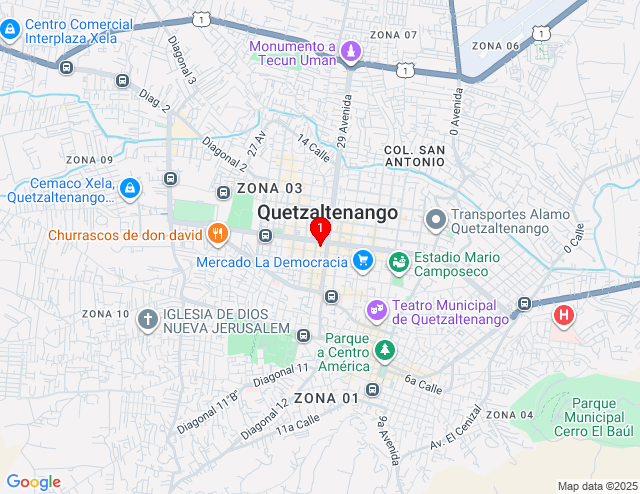
The city of Quetzaltenango, the Department of the same name's capital and largest city, is situated on an extensive plain and surrounded by hills and volcanoes. The city of Quetzaltenango conserves the Maya-Quiche's old traditions and the colonial past, while maintaining the dynamism of modern life.

The city's roots go back to the Pre-Columbian Maya era. The Mam authority, called Kulahá, reached its most important expansion. Later Quiches's Lords conquered the area, and founded the city of Xelajú here, moving it from a previous location at the base of the volcano Santa Maria.

The city was already some 300 years old when Spanish Conquistadors came to conquer Guatemala in the early 1500s. Their native allies the Nahuas from Central Mexico called the city Quetzaltenango, meaning "the place of the Quetzal bird" in the Nahua language. The Spanish took the name from the Nahuas. It's still the city's official name, but locals are more apt to casually call it "Xela" from the the ancient name of Xelajú.

It was the administrative capital of the Western Highland region in the Spanish Colonial period. With Central American independence from Spain in the 1820s it was part of the Central American Federation. Conflicts between the interests of Quetzaltenango and Guatemala City led to the creation of "Los Altos", the "Sixth State of the Central American Confederation ", consisting of Western Guatemala (and a slice of what is now part of Chiapas Mexico) with Quetzaltenango as its capital. When the Central American Federation fell apart in 1839-1840, Los Altos was briefly a de-facto independent state, until the army of Guatemalan dictator Carrera brutally conquered the city and hung its leaders.

The city enjoyed prosperity with the boom in coffee production in the late 19th and start of the 20th century, when many of the city's "Belle Époque" style landmarks still seen were built. Plans for a railway to Quetzaltenango dated back to the 1890s, and construction was started in the 1920s and finally completed in 1930. The "Ferrocarril de los Altos" was proclaimed the engineering marvel of the age-- until it was destroyed by landslides in 1933. The fabled railroad is still remembered in local song and story, and there's a museum dedicated to it in town.

Quetzaltenango's prosperity declined from the Great Depression through the Guatemalan Civil War in the later 20th century, and for a time much of the city looked on the scruffy side. With the new millenium, however, better times are back. The old landmarks have been refurbished and new ones added, and the city is more beautiful and vibrant than ever.

Quetzaltecos are proud of their city, its distinct regional culture, and its rich heritage.

Places to stay in Quetzaltenango

Things to do in Quetzaltenango, Guatemala