Phone Number 7919387430
Rangoon (Yangon)
Yangon has a way of pulling you in slowly, almost quietly, until you realize you’re standing in one of Southeast Asia’s most atmospheric cities. It’s a place where golden pagodas rise above colonial-era streets, where tea shops hum with conversation, and where the scent of jasmine and street food drifts through warm evening air. Yangon isn’t polished or hurried; it’s textured, soulful, and deeply human. The city’s skyline is dominated by Shwedagon Pagoda, a shimmering golden stupa that has watched over Yangon for more than two millennia. At sunset, when the gold catches the last light of the day, the entire hill glows. Around it, Yangon’s historic neighborhoods unfold with crumbling British architecture, leafy avenues, and markets that feel unchanged for generations.
Best Months to Travel to Rangoon (Yangon)
March, April, May, June

Find the best flight to Rangoon (Yangon)

Leaving from

Going to

Yangon’s history is a fascinating journey through time, reflecting the cultural and political evolution of Myanmar. Originally a small fishing village named **Dagon**, it became an important settlement in the 11th century due to the **Shwedagon Pagoda**, which remains the city’s most iconic landmark. In 1755, King Alaungpaya renamed the city **Yangon**, meaning "End of Strife," and it began to grow in prominence.

During British colonial rule in the 19th century, Yangon was transformed into **Rangoon**, the capital of British Burma. The British expanded the city, introducing grand colonial architecture, wide boulevards, and an organized grid layout. Many of these buildings, such as the **City Hall** and the **High Court**, still stand today, offering a glimpse into the city’s colonial past.

After Myanmar gained independence in 1948, Yangon remained the capital until 2005, when the government relocated the capital to Naypyidaw. Despite this change, Yangon has continued to thrive as Myanmar’s cultural and economic hub.

Today, Yangon’s rich history is evident in its landmarks, from the ancient **Shwedagon Pagoda** and **Sule Pagoda** to its British-era buildings and vibrant markets. Walking through Yangon is like stepping back in time, with its blend of Buddhist heritage, colonial influence, and the stories of its role in Myanmar’s independence movement.

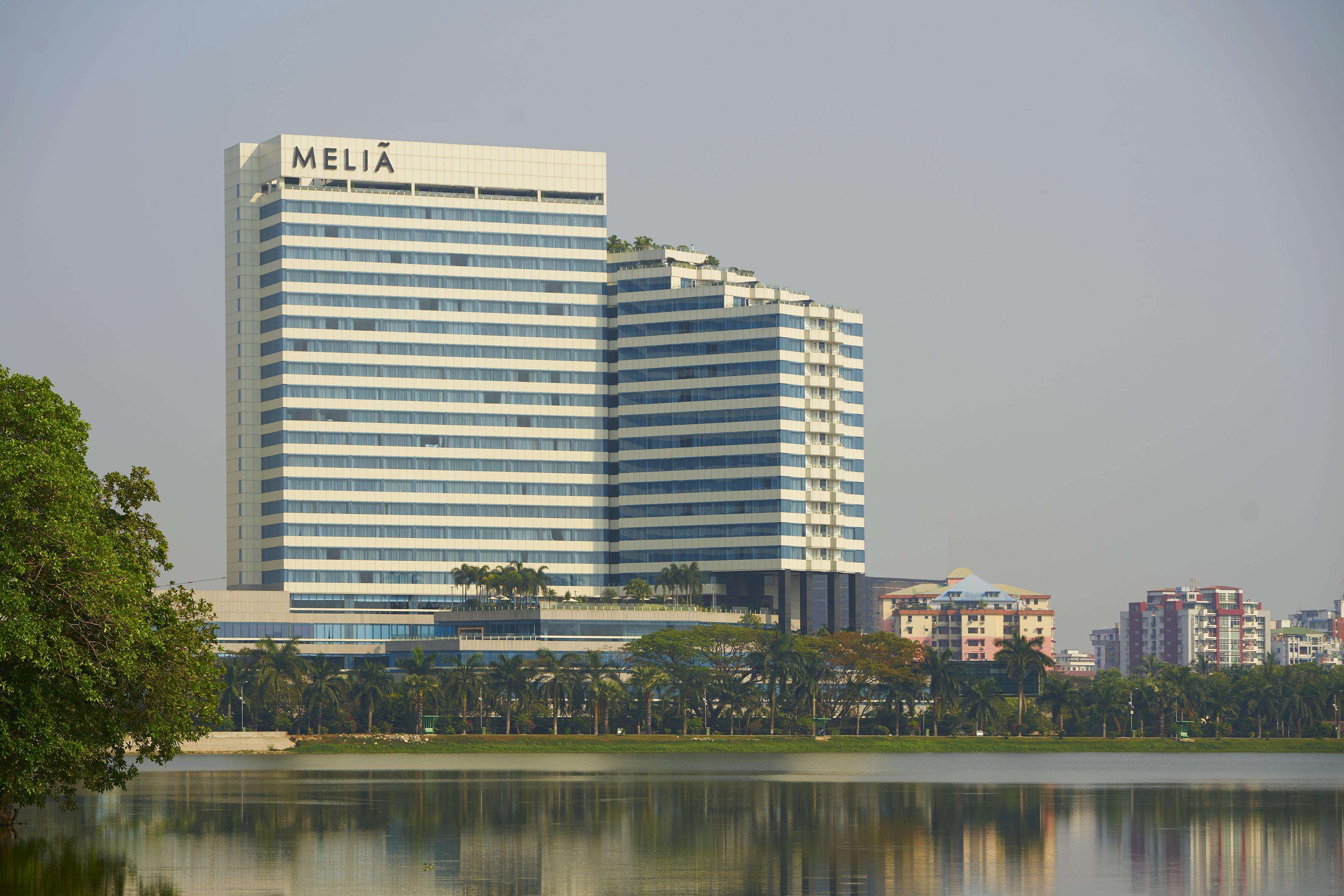
Places to stay in Rangoon (Yangon)

Things to do in Rangoon (Yangon), Myanmar

Recommended hotels in Rangoon (Yangon)