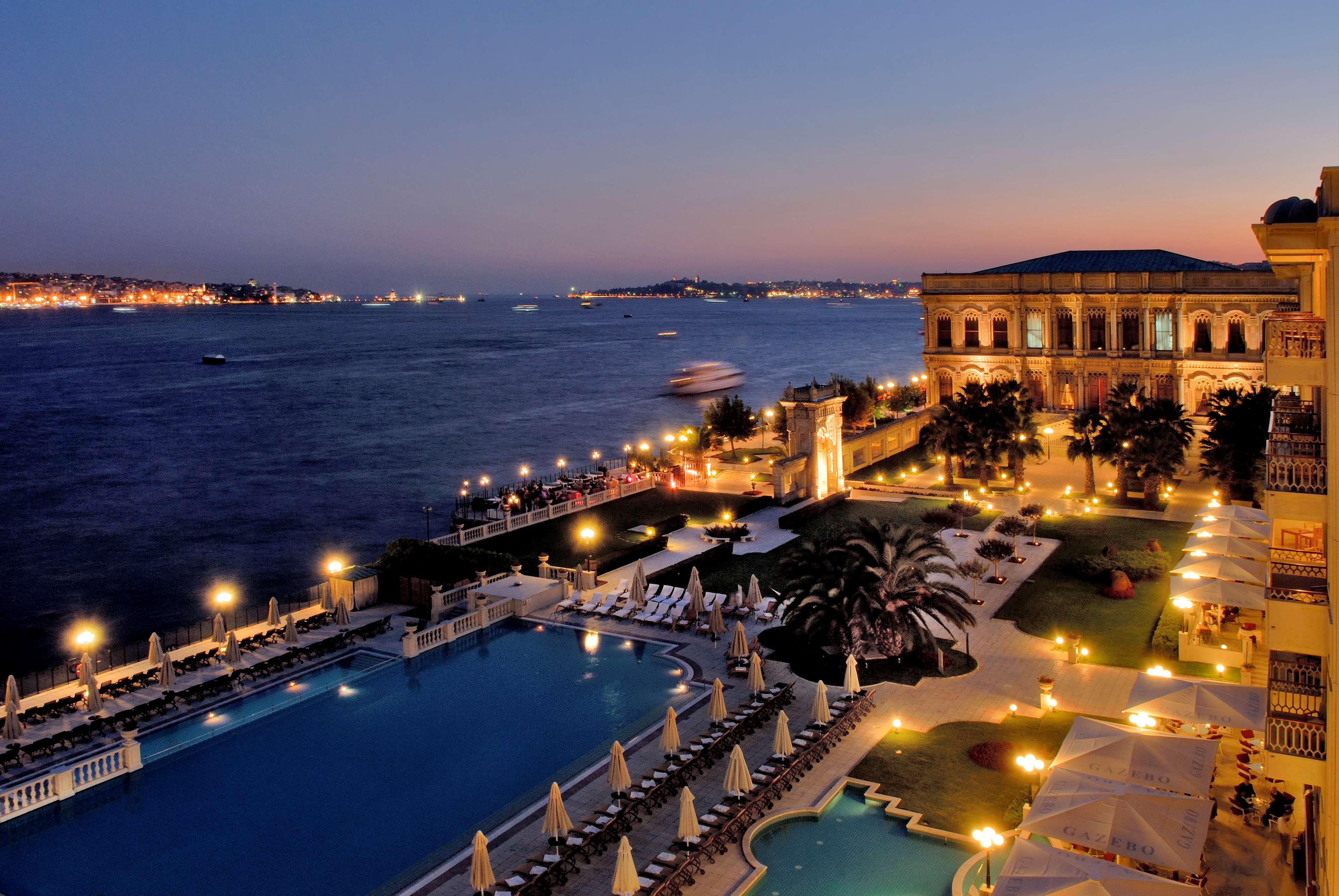
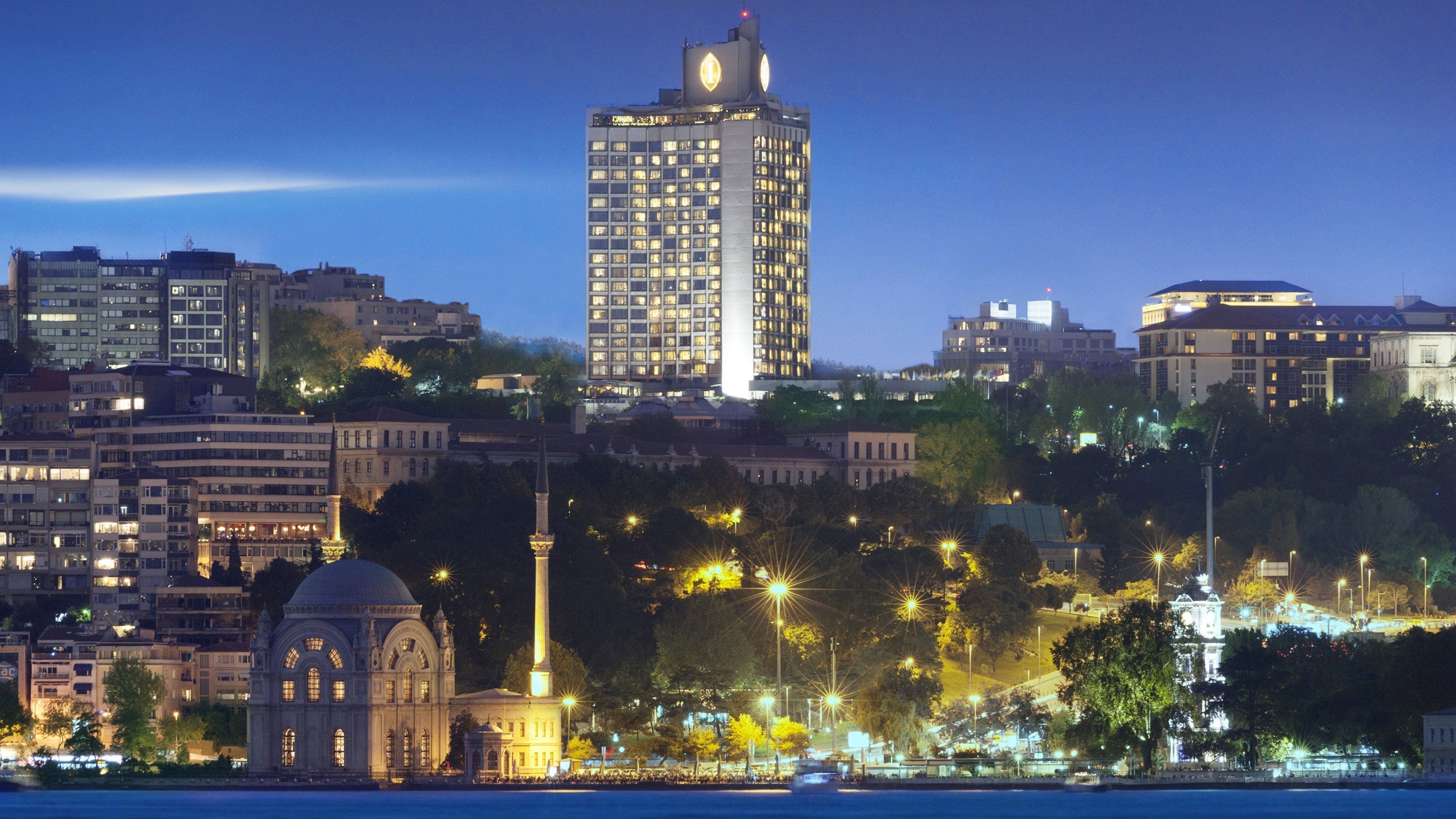
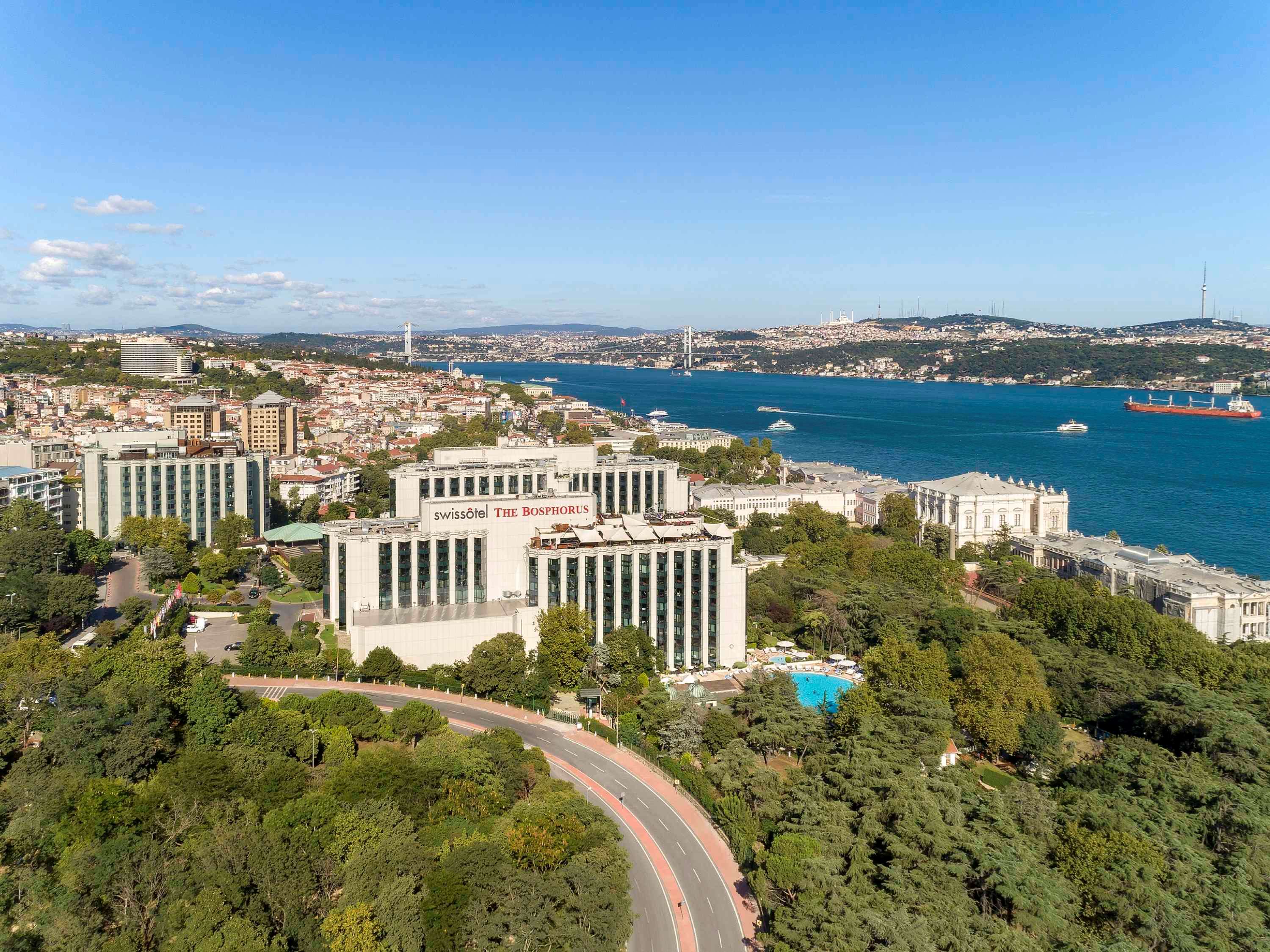
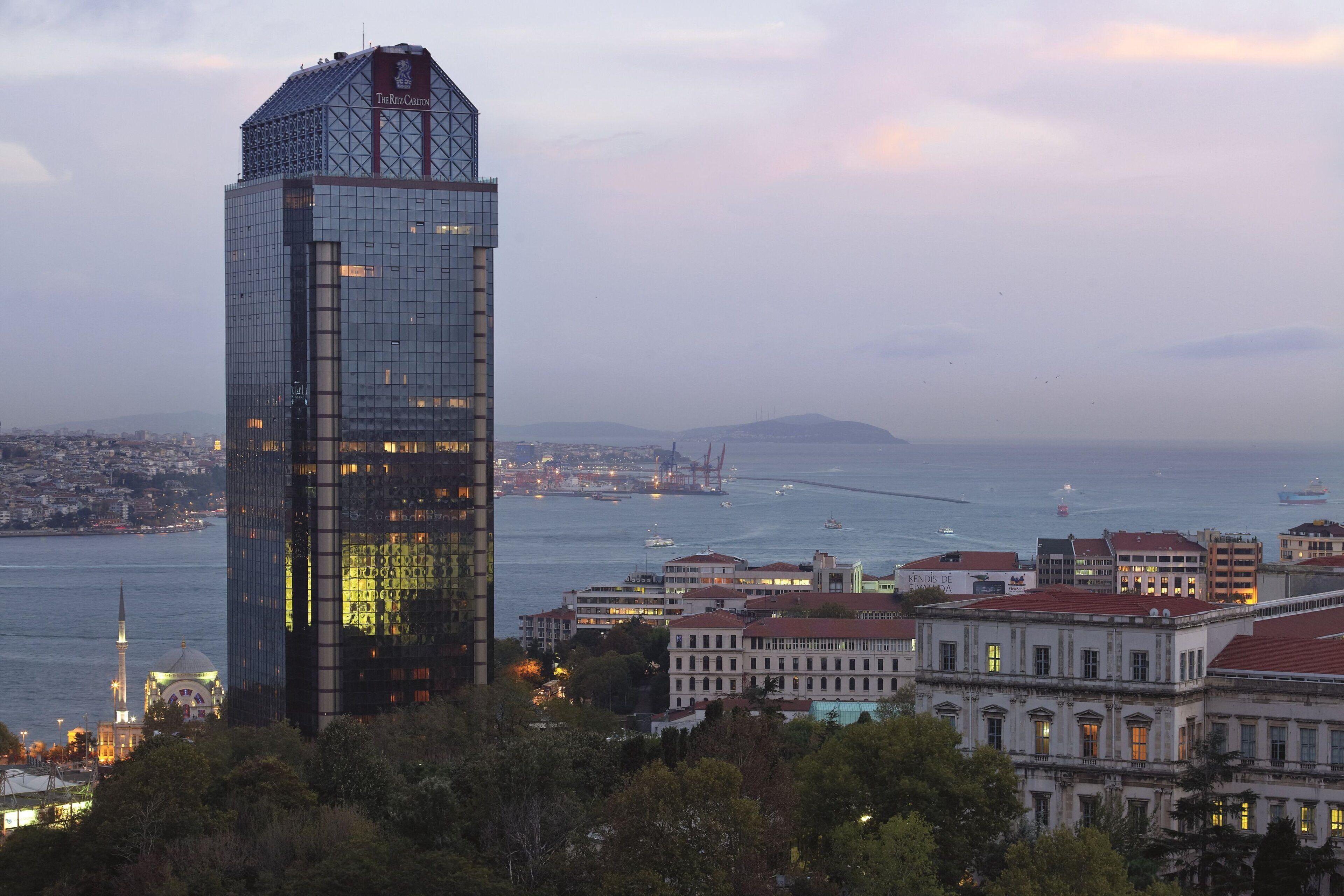
Turkey, Turkey, has a rich and layered history that spans thousands of years, bridging Europe and Asia. The region has been home to some of the world’s earliest civilizations, including the Hittites, and later the Byzantine Empire, which left behind remarkable architectural and cultural legacies. The city of Istanbul, formerly Constantinople, became a center of commerce, art, and religion, reflecting the city’s strategic importance throughout history.
During the 15th century, the Ottoman Empire rose to prominence, shaping much of Turkey’s modern cultural and architectural heritage. The Ottomans built grand mosques, palaces, and public spaces, many of which still stand today, including iconic sites such as the Topkapi Palace and the Suleymaniye Mosque. The empire also connected Turkey to Europe, the Middle East, and North Africa, fostering a blend of traditions, art, and cuisine.
In the 20th century, following the collapse of the Ottoman Empire, the modern Republic of Turkey was founded by Mustafa Kemal Atatürk in 1923. Atatürk’s reforms modernized the country, creating a secular state while preserving its rich cultural and historical heritage. Today, visitors can explore ancient ruins like Ephesus, rock-cut churches in Cappadocia, and vibrant Ottoman-era architecture in Istanbul, offering a journey through thousands of years of human civilization.